The value of Aluminum Foundry for engineering success
Wiki Article
A Comprehensive Overview to the Different Types and Use Light Weight Aluminum Foundry
The world of aluminum shop includes numerous casting methods, each serving special applications. From the adaptability of sand spreading to the precision of die spreading, these approaches accommodate various production requirements. Investment casting provides intricate layouts, while permanent mold and mildew spreading emphasizes strength. Recognizing the attributes of aluminum alloys is necessary for maximizing these processes. Exploring the nuances of each casting method discloses vital understandings for effective job implementation. What variables should one think about when picking the most ideal method?Review of Aluminum Factory Processes
Light weight aluminum factory procedures incorporate a series of methods utilized to cast and shape aluminum right into numerous forms. These processes can be extensively categorized right into melting, molding, and finishing. The initial step entails melting aluminum, generally performed in heating systems that reach heats to accomplish a liquid state. As soon as thawed, the light weight aluminum is poured into molds, which define the last shape of the actors product.A number of molding techniques exist, such as die casting and investment spreading, each offering unique advantages depending on the desired precision and intricacy of the last thing. After the light weight aluminum has actually cooled down and solidified, the casting undertakes finishing processes, which might include machining, surface area therapy, and setting up. These steps guarantee that the end product satisfies specific resistances and surface area top quality standards. With each other, these procedures develop a thorough technique to aluminum spreading, dealing with varied commercial applications and item demands.
Sand Casting in Light Weight Aluminum Foundries
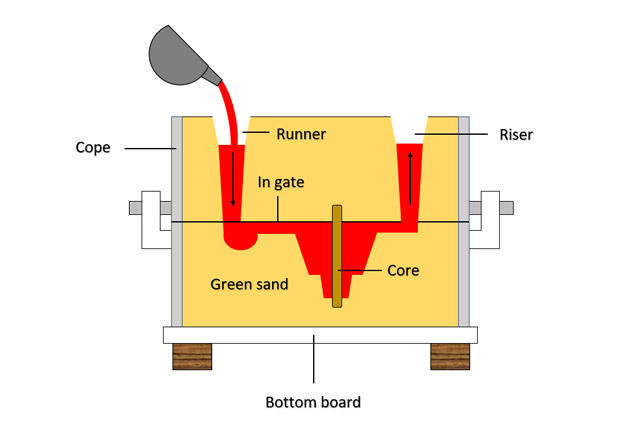
Sand casting is a fundamental procedure in aluminum foundries, identified by its use sand mold and mildews to shape liquified metal. This approach provides numerous advantages, consisting of cost-effectiveness and flexibility, making it ideal for a wide variety of industrial applications. Recognizing the details of the sand casting procedure is essential for maximizing manufacturing and accomplishing preferred material residential or commercial properties.Sand Spreading Refine Overview
The sand spreading procedure works as an essential approach in light weight aluminum foundries, promoting the creation of elaborate steel elements. This procedure starts with the preparation of a sand mold, which is formed by condensing sand around a pattern that stands for the end product. When the mold is constructed, molten aluminum is poured into the cavity, enabling it to take form. After cooling down, the mold and mildew is escaped to disclose the actors part. Sand spreading is notable for its versatility, suiting different sizes and shapes, from small components to large frameworks. Additionally, this technique makes it possible for the incorporation of complex designs, making it a recommended choice for many industries requiring tailored aluminum components.Benefits of Sand Spreading
Applications in Industries
Casting procedures play an important duty in different sectors, with sand casting being a popular approach for aluminum applications. This strategy is widely used in automobile production, permitting the manufacturing of engine blocks, transmission instances, and various structural parts. Additionally, the aerospace market leverages sand spreading to create lightweight yet sturdy parts, adding to sustain efficiency and efficiency. The electric sector additionally gains from sand-cast aluminum elements, such as housings and rooms, which offer durable security for delicate tools. Furthermore, the construction sector employs sand casting for architectural aspects and components, showcasing aluminum's flexibility. Overall, sand casting in light weight aluminum factories serves several sectors, conference varied needs while maximizing product residential properties and manufacturing performance.Pass Away Spreading Techniques and Applications
Pass away spreading is a precision production process utilized to create complicated steel parts with high dimensional accuracy and exceptional surface area finishes. This method involves forcing molten aluminum into a mold and mildew under high stress, ensuring that even intricate layouts can be reproduced with exceptional uniformity. 2 main die casting techniques are warm chamber and cool chamber pass away casting. Hot chamber pass away spreading is ideal for metals with low melting points and allows for faster manufacturing cycles, while cool chamber die casting is perfect for greater melting factor steels and gives higher control over steel flow.Applications of die casting period different industries, including automotive, aerospace, and electronic devices. Parts such as engine blocks, housings, and brackets take advantage of the stamina and light-weight properties of light weight aluminum. The convenience and effectiveness of die spreading make it a vital process in creating top notch aluminum components that meet rigid market criteria.
Investment Spreading: Accuracy and Information
Investment casting is a sophisticated production process understood for its capability to generate elaborate components with high precision. This strategy finds applications throughout various sectors, including aerospace and vehicle, where information is vital. The benefits of investment spreading, such as reduced product waste and improved surface finish, make it a favored selection for many designers.Refine Summary and Techniques
Making use of investment casting, suppliers achieve remarkable precision and complex detail in aluminum parts. This procedure begins with producing a wax pattern, which is covered in a ceramic covering. Once the shell solidifies, the wax is thawed and drained, leaving a dental caries for the molten aluminum. The aluminum is then poured right into the mold and mildew, permitting great features and complex geometries. After cooling, the covering is escaped, exposing the light weight aluminum component. Strategies such as vacuum cleaner financial investment spreading improve accuracy by minimizing air entrapment, while stress spreading provides enhanced surface finish. This precise process not only ensures dimensional precision however likewise lessens product waste, making it a reliable selection for producing high-grade light weight aluminum parts in various sectors.Applications in Industries
The phenomenal accuracy and detailed information accomplished with investment casting make it a recommended method in various sectors. This strategy is specifically prominent in aerospace, where parts call for limited resistances and complex geometries. In the vehicle market, financial investment casting is utilized for producing components like engine blocks and transmission real estates, making sure sturdiness and performance. In addition, the clinical market gain from financial investment spreading to create specialized tools and implants that meet rigid regulative standards. The adaptability of aluminum shop investment spreading enables for the manufacturing of lightweight yet solid elements, making it suitable for electronic devices and consumer items. On the whole, investment spreading remains to play a vital duty in improving item high quality throughout diverse applications.Benefits of Investment Casting
When precision and detailed detail are vital, investment spreading stands apart as a very advantageous manufacturing technique. This method enables the creation of complicated geometries with limited tolerances, making it perfect for applications requiring high precision. The procedure includes creating a wax design that is covered in a ceramic covering, which is then heated to eliminate the wax and set the covering. This results in a mold that captures great information extremely well. In addition, investment casting lessens product waste, as it can produce near-net shapes, decreasing the requirement for extensive machining. The adaptability of products utilized, consisting of various aluminum alloys, better improves its appeal, making it a favored option in markets such as aerospace and automobile.Irreversible Mold And Mildew Spreading: Toughness and Sturdiness
Numerous casting methods exist, permanent mold spreading stands out for its capacity to generate elements with outstanding toughness and toughness. This method uses a reusable mold, usually made from metal, which permits quick warm transfer and enhanced mechanical properties in the actors item. The process results in a fine-grained framework, improving stamina while decreasing porosity compared to sand spreading.Long-term mold spreading is especially Aluminum Foundry beneficial for producing components needing high tensile toughness and fatigue resistance, making it appropriate for aerospace and auto applications. The controlled air conditioning price in the molds adds to harmony in the microstructure, further enhancing the durability of the components. Furthermore, this method can attain elaborate designs and tight resistances, which are crucial in high-performance applications. Generally, permanent mold and mildew spreading uses a trusted service for suppliers seeking resilient and robust light weight aluminum components.
Typical Aluminum Alloys and Their Characteristics
Comprehending the numerous aluminum alloys is crucial for producers intending to boost performance in permanent mold and mildew spreading applications. Several typical light weight aluminum alloys show unique features suited for particular usages.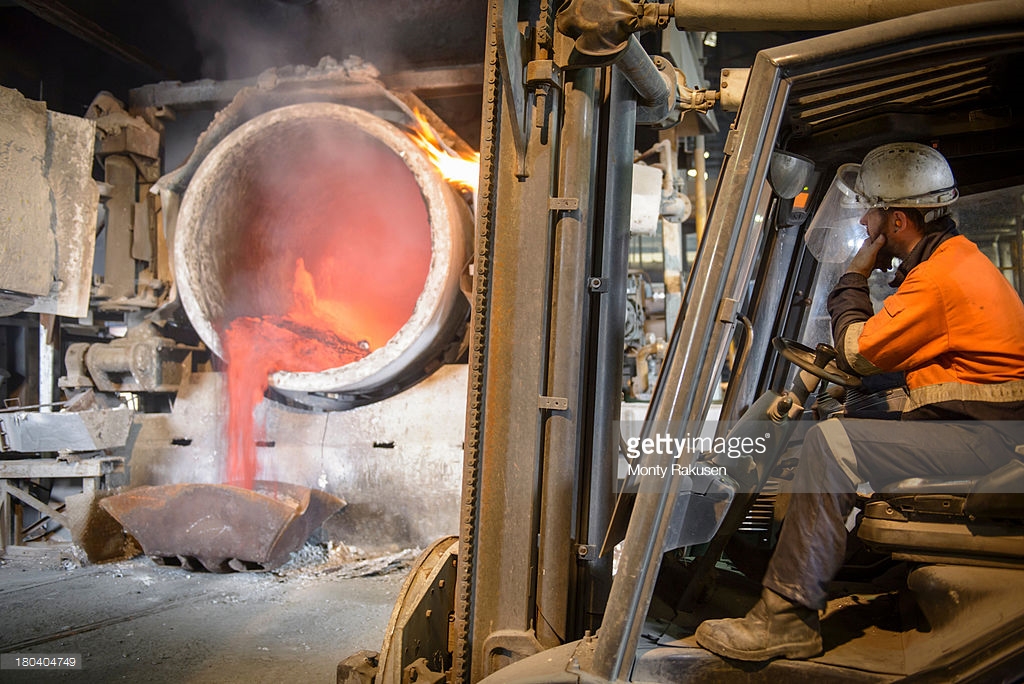
For applications needing excellent and light-weight resistance to heat, the 6061 alloy is favored for its flexibility and weldability. On the other hand, the 7075 alloy, recognized for its high strength-to-weight proportion, is mainly used in aerospace applications. Each alloy provides special benefits that makers have to consider to guarantee peak performance in their specific applications.
Choosing the Right Aluminum Factory Process for Your Job
Choosing the suitable light weight aluminum shop procedure is crucial for attaining ideal lead to any manufacturing project. Various methods, such as sand spreading, pass away casting, and investment casting, offer distinctive benefits customized to particular needs. Sand casting is flexible and affordable for huge components, while die casting excels in generating high-volume, dimensionally specific components. Investment spreading is favored for complex styles and exceptional surface finish.Variables influencing the selection of process consist of the wanted intricacy, manufacturing quantity, and budget plan constraints. In addition, the certain aluminum alloy selected may determine the appropriate procedure, as specific alloys perform far better under certain casting problems. Comprehending the project's needs and the features of each technique helps in making an educated decision. Inevitably, choosing the right aluminum shop procedure not only improves item top quality yet likewise maximizes production performance, causing successful results in manufacturing ventures.
Regularly Asked Questions
What Industries Largely Use Light Weight Aluminum Shop Products?
Aluminum factory items are mainly made use of in the automotive, aerospace, construction, and consumer goods markets. These fields take advantage of aluminum's lightweight, corrosion-resistant homes, making it an ideal choice for different applications and elements.How Does Light Weight Aluminum Recycling Impact Foundry Operations?
Aluminum recycling considerably enhances factory operations by lowering raw material expenses, lessening waste, and advertising sustainability. It enables shops to create top notch light weight aluminum items while lowering power intake and ecological impact throughout the production procedure.What Are the Ecological Factors To Consider in Light Weight Aluminum Foundries?
Environmental factors to consider in aluminum shops include power intake, greenhouse gas discharges, waste monitoring, and resource sustainability. Efficient methods can lessen eco-friendly impacts, improve recycling efforts, and promote cleaner manufacturing techniques, ensuring a balance in between market and ecological health and wellness.Exactly How Can I Make Sure High Quality in Aluminum Castings?
To assure high quality in aluminum spreadings, one have to carry out strict quality control steps, make use of specific molding techniques, screen temperature level and alloy make-up, and perform comprehensive evaluations throughout the casting process to determine and correct possible issues. Aluminum Foundry.What Are the Common Defects in Aluminum Castings?
Usual defects in aluminum castings include porosity, shrinkage, inclusions, surface imperfections, and dimensional inaccuracies. These concerns can emerge from improper mold and mildew style, poor pouring strategies, or insufficient alloy composition, ultimately impacting the casting's total efficiency and high quality.From the flexibility of sand spreading to the precision of die spreading, these approaches provide to various production demands. Investment spreading offers intricate layouts, while permanent mold and mildew spreading highlights strength. Methods such as vacuum cleaner financial investment casting enhance precision by minimizing air entrapment, while pressure spreading gives improved surface area coating. Various approaches, such as sand casting, pass away casting, and investment spreading, offer unique benefits customized to certain requirements. Sand spreading is flexible and economical for large components, while die casting succeeds in producing high-volume, dimensionally accurate elements.
Report this wiki page