Key Technologies Driving the Smart Aluminum Foundry of Tomorrow
Wiki Article
Why Light Weight Aluminum Factory Castings Deliver Outstanding Corrosion Resistance for Outdoor Products
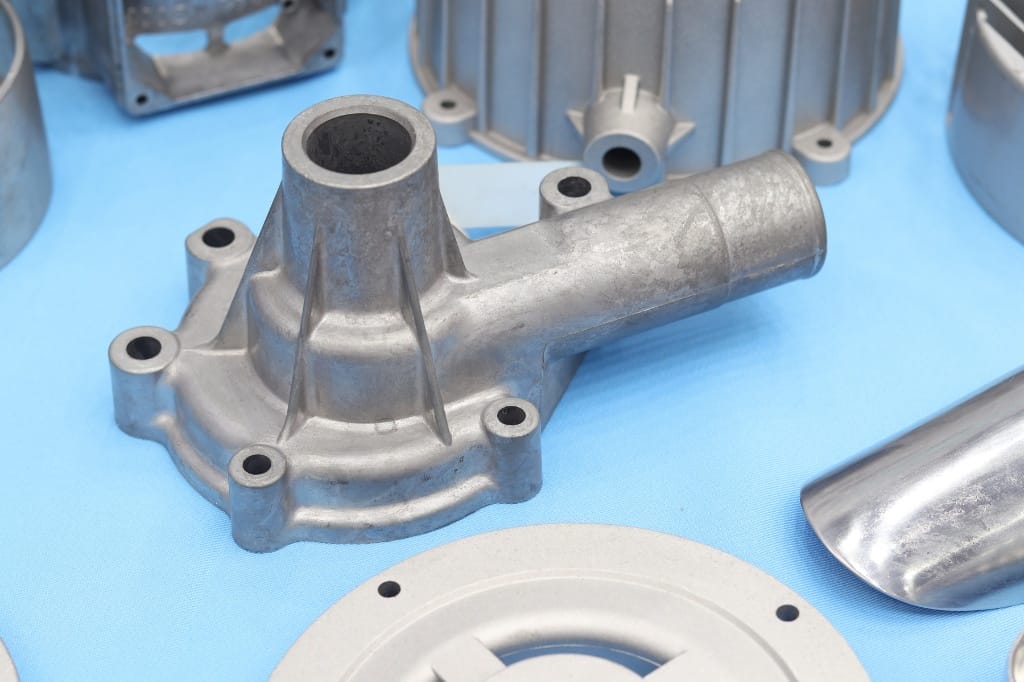
Aluminum factory spreadings are progressively favored for exterior items as a result of their exceptional deterioration resistance. When aluminum is subjected to oxygen, this particular stems from the formation of a protective oxide layer that creates normally. This layer not only functions as an obstacle versus moisture and destructive agents but likewise has self-healing buildings. Recognizing the chemistry behind this process reveals why light weight aluminum is a leading selection for outdoor applications, increasing questions concerning its efficiency compared to various other products.The Chemistry Behind Aluminum's Corrosion Resistance
Light weight aluminum's amazing deterioration resistance is mainly attributed to its special chemical homes. As a light-weight metal, aluminum reacts with oxygen to form a stable layer of light weight aluminum oxide on its surface area. This oxide layer works as a barrier, preventing more oxidation and shielding the underlying steel. The highly reactive nature of light weight aluminum allows it to form strong bonds with various other elements, leading to a protective movie that hinders the infiltration of wetness and harsh agents.In addition, light weight aluminum displays a reduced thickness and a high strength-to-weight ratio, making it ideal for numerous applications, specifically in outdoor settings. Its resistance to matching, hole deterioration, and anxiety deterioration breaking additional enhances its sturdiness. When subjected to ecological variables, the integral homes of aluminum reduce the danger of deterioration, making it a suitable option for exterior products. This mix of chemical attributes ensures that light weight aluminum keeps its structural integrity even in difficult problems.
The Function of the Protective Oxide Layer
A vital element of light weight aluminum's deterioration resistance depends on the protective oxide layer that forms naturally upon exposure to oxygen. Aluminum Casting Company. This layer, composed primarily of light weight aluminum oxide, works as an obstacle between the metal and external environmental factors, greatly decreasing the chance of additional corrosion. The oxide layer is normally only a few nanometers thick, yet it is extremely effective in avoiding wetness and destructive representatives from passing through the underlying aluminumThe formation of this oxide layer occurs quickly and uniformly, adding to the total longevity of aluminum foundry spreadings. Notably, the protective layer is self-healing; if harmed, it can quickly reform, preserving its protective high qualities. This distinct particular collections aluminum aside from many various other steels, supplying a substantial benefit in exterior applications where exposure to extreme conditions is typical. The oxide layer plays a crucial duty in boosting the long life and performance of light weight aluminum products made use of in outdoor settings.
Contrast With Various Other Materials
While light weight aluminum uses extraordinary rust resistance due to its safety oxide layer, other materials present varying levels of resilience and maintenance needs in outdoor applications. Steel, as an example, is susceptible to rusting when revealed to wetness, requiring normal paint and upkeep to stop wear and tear. Stainless-steel, while much more immune to deterioration than regular steel, still needs upkeep to preserve its appearance and honesty.In comparison, plastics such as PVC and polyethylene are extremely immune to deterioration and do not require painting; nonetheless, they might deal with UV deterioration over time, causing brittleness and staining. Copper and brass can create an aging that some find aesthetically pleasing, yet they are not immune to corrosion in rough atmospheres. Ultimately, while aluminum attracts attention for its combination of light-weight strength and reduced maintenance, various other materials may offer specific purposes yet commonly included their very own constraints and care demands.
Applications of Aluminum Castings in Outdoor Products
Many applications benefit from aluminum castings in outdoor products, showcasing the product's convenience Our site and efficiency. From garden furniture and outdoor lights fixtures to architectural elements and leisure tools, light weight aluminum spreadings provide strength and visual allure. Their lightweight nature makes them excellent for mobile items, such as outing tables and barbecue grills, while their resistance to corrosion assurances durability in different weather problems. Additionally, light weight aluminum castings are frequently utilized in marine applications, including boat installations and dock components, where direct exposure to dampness is regular. The ability to accomplish intricate forms with casting processes enables producers to develop distinct layouts that boost performance and design. Additionally, aluminum's capability to be easily painted or covered adds to its versatility, enabling outside items to blend effortlessly with various settings. In general, light weight aluminum castings work as a dependable selection for a vast array of exterior applications, contributing to both toughness and aesthetic charm.Maintenance Tips for Aluminum Outdoor Items
Proper upkeep of light weight aluminum outdoor things is essential to safeguard their durability and visual allure. Normal cleaning is vital; a gentle look what i found wash with moderate soap and water will certainly eliminate dust and gunk without harming the surface - Precision her latest blog Aluminum Casting. For stubborn discolorations, a soft brush can be employed, staying clear of severe abrasives that may scratch the aluminumExamining for indications of wear, such as scratches or staining, is essential. If detected, applying a top quality aluminum gloss can bring back the sparkle and give a protective layer versus the components. Furthermore, it is recommended to store light weight aluminum items in a sheltered location during rough weather to stop unnecessary direct exposure.
Using a layer of wax occasionally can boost rust resistance and create a barrier versus dampness. By adhering to these upkeep suggestions, people can ensure that their aluminum outside items stay useful and aesthetically appealing for years to find.
Often Asked Concerns
Exactly How Is Light Weight Aluminum Cast In Different Ways From Other Metals?
Aluminum casting varies from other metals mostly as a result of its reduced melting factor, enabling even more detailed styles. Additionally, light weight aluminum's lightweight nature and excellent fluidity throughout casting procedures add to its unique production advantages compared to much heavier metals.Can Aluminum Corrode in Deep Sea Atmospheres?
Aluminum can wear away in deep sea atmospheres, particularly when exposed to electrolytic problems. Nevertheless, its rust resistance can be improved with protective layers or anodization, making it appropriate for different exterior applications despite potential corrosion dangers.What Are the Recycling Advantages of Aluminum Castings?
How Does Temperature Affect Aluminum's Deterioration Resistance?
Temperature substantially affects aluminum's corrosion resistance; greater temperatures can increase oxide layer malfunction, leading to boosted sensitivity to deterioration. On the other hand, reduced temperature levels commonly enhance protective layer stability, enhancing general durability versus harsh environments.Are There Any Kind Of Wellness Dangers Associated With Light Weight Aluminum Outdoors?
Light weight aluminum, when used outdoors, usually presents marginal health and wellness threats. However, extreme direct exposure to aluminum dirt or fragments may lead to respiratory system issues in delicate individuals, stressing the importance of appropriate handling and usage in exterior settings.
Aluminum factory spreadings are significantly favored for exterior items due to their amazing corrosion resistance. As a light-weight metal, aluminum reacts with oxygen to form a secure layer of light weight aluminum oxide on its surface. When revealed to ecological variables, the inherent residential properties of light weight aluminum minimize the threat of rust, making it an ideal selection for outside items. While aluminum offers phenomenal deterioration resistance due to its protective oxide layer, other products existing differing degrees of toughness and maintenance needs in exterior applications. Temperature significantly affects aluminum's corrosion resistance; greater temperatures can increase oxide layer malfunction, leading to enhanced vulnerability to deterioration.
Report this wiki page